Comprehensive Maritime Services
-
Shipping goods and products via sea
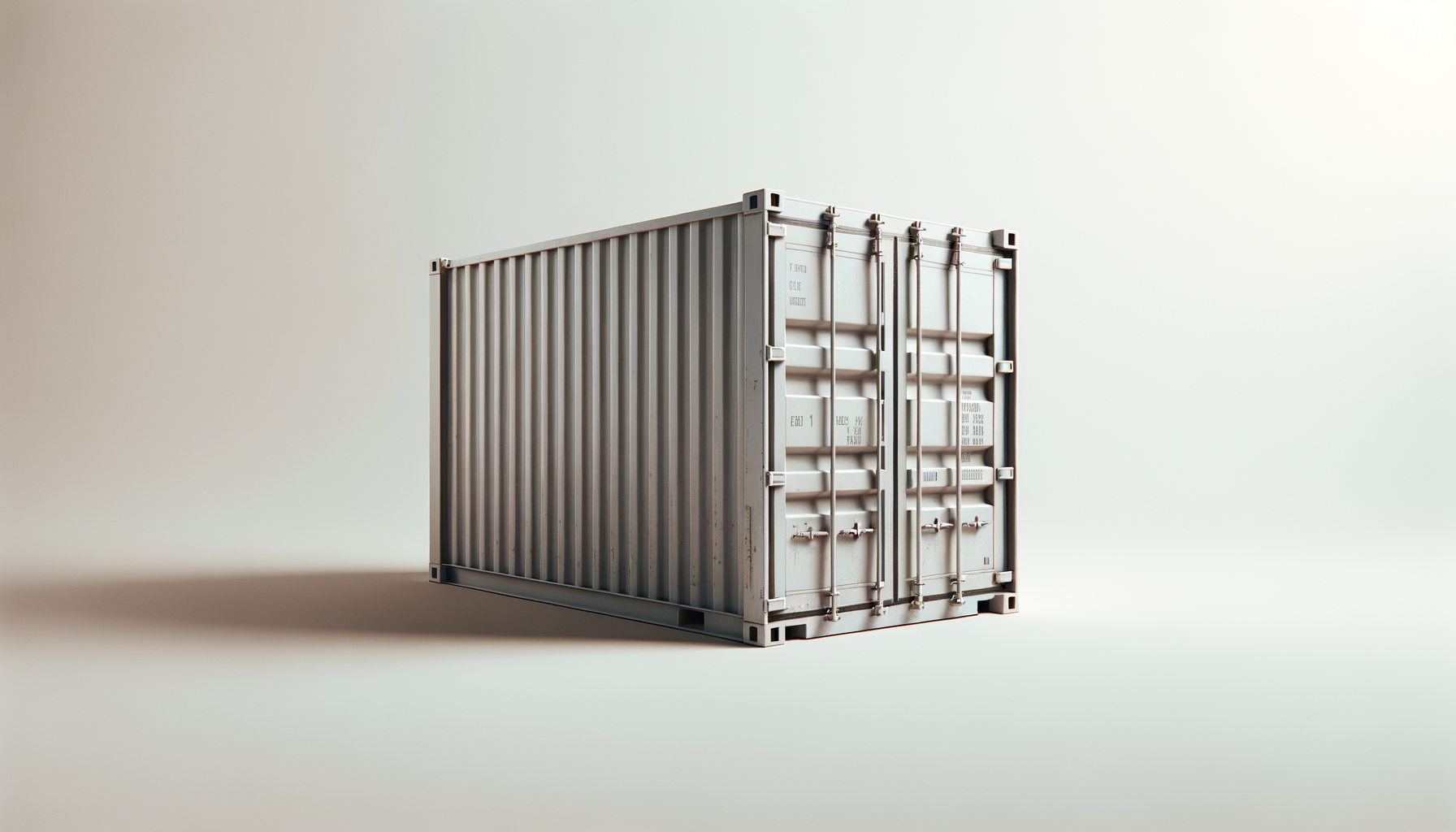
Overview Sea freight is the most cost-effective method for moving large volumes of goods internationally. It accommodates standard containerized cargo, breakbulk, project cargo, and bulk commodities. Transit times are longer than air but offer significant savings per ton and higher capacity for oversized or heavy shipments.
Key shipment types
Full Container Load (FCL): Entire container reserved for one shipper. Best for large volumes where consolidation isn’t needed.
Less than Container Load (LCL): Multiple shippers share container space. Suitable for small consignments but requires consolidation and deconsolidation handling.
Roll-on/Roll-off (RoRo): Vehicles and wheeled equipment driven onto specialized vessels. Efficient for cars, trucks, and heavy machinery.
Breakbulk/project cargo: Large pieces that cannot be containerized (e.g., wind turbine components, industrial equipment). Requires special lifting and stowage.
Bulk (liquid or dry): Commodities carried in large quantities without packaging (e.g., oil, grain, ore).
Packaging and documentation
Packaging: Use sturdy pallets, corrosion protection, moisture-resistant wrapping, and blocking/bracing inside containers for heavy or irregular cargo. Follow container stuffing guidelines to avoid shifting.
Labeling: Clear consignee, shipper, handling marks, and hazardous markings when applicable.
Documentation: Commercial invoice, packing list, bill of lading (or sea waybill), certificate of origin, insurance certificate, and any required permits or certificates (e.g., phytosanitary, fumigation, export/import licenses).
Incoterms and responsibilities Select appropriate Incoterm to define who pays for transport, insurance, export/import duties, and where risk transfers:
EXW, FCA, FOB, CFR/CIF, DAP, DDP are commonly used for ocean shipments. CIF includes seller-arranged freight and minimum insurance to destination port; DDP places maximum responsibility on the seller.
Insurance and liability
Marine cargo insurance protects against perils of the sea, loading/unloading risks, and war/piracy (if covered). Evaluate policies for named perils versus all-risk coverage and agree on declared value and deductible.
Carrier liability is limited by international conventions (e.g., Hague-Visby Rules) unless higher liability is negotiated or declared.
Routing and transit considerations
Transit time: Depends on origin/destination and whether service is direct or transshipment-based. Plan lead times to account for port congestion, canal transits, and feeder schedules.
Port selection: Consider berth availability, handling equipment, hinterland connections, customs efficiency, and local charges.
Seasonality: Peak seasons (e.g., pre-holiday retail surges) and weather patterns (monsoon, hurricane seasons) affect capacity and schedules.
Customs and regulatory compliance
Advance filing: Many jurisdictions require pre-arrival electronic manifest and cargo declarations.
Duties and taxes: Classify goods correctly under the Harmonized System (HS) to determine rates and applicable trade remedies.
Sanctions and restricted goods: Screen transactions against trade sanctions and embargoes. Obtain licenses where needed.
Dangerous goods: Classify, pack, label, and declare per IMDG Code. Provide transport documents and emergency response information.
Operational steps for a typical sea shipment
Quote and booking: Obtain freight rates, transit times, and available sailing options; reserve vessel space.
Export packing and documentation: Prepare cargo, ensure proper markings, and assemble required documents.
Inland transport to origin port: Move cargo to terminal and arrange for container stuffing (for FCL) or delivery to consolidation point (for LCL).
Customs export clearance: Submit export declarations and obtain release.
Port operations and loading: Terminal handling, container gate-in, stowage on vessel.
Ocean transit and tracking: Monitor vessel position and estimated arrival.
Arrival port operations: Unloading, customs import clearance, payment of duties, and terminal handling charges.
Inland delivery or pickup: Arrange drayage to consignee or pickup at terminal.
Cost components
Freight (ocean carriage)
Bunker Adjustment Factor (BAF) / Peak Season Surcharge (PSS)
Terminal Handling Charges (THC)
Documentation and customs brokerage fees
Port and canal dues
Security surcharges (ISPS)
Inland transport (drayage, rail, or truck)
Insurance
Risk management and best practices
Use reliable carriers and vetted partners for handling special cargo.
Consolidate shipments where practical to reduce costs.
Plan for buffer time to absorb delays and avoid costly demurrage and detention.
Implement cargo tracking and regular status updates.
Pre-clear and pre
-
Warehousing
When you’re not ready to receive shipments, we can securely store your goods and products at a competitive, low rate for an agreed-upon period. Our holding service includes:
Flexible short- or long-term storage options tailored to your timeline
Secure, climate-controlled facilities where applicable
Inventory tracking and status updates to keep you informed
Easy transfer or delivery arrangements when you’re ready to receive
Transparent pricing with a clear, agreed-upon cost structure
Contact your account manager to arrange holding terms, rates, and any special handling requirements. We’ll confirm availability and provide a written agreement outlining storage period, fees, and pickup/delivery instructions.
-
Capable of refueling vessels at a prearranged schedule.
Scheduled bunkering coordinated in advance to align with voyage plans and port windows
Flexible delivery options: alongside, stern, or alongside-at-anchor transfers
Precise timing: adherence to agreed start and completion times to minimize vessel downtime
Pre-mobilization planning: route, berthing, safety checks, permits, and environmental compliance confirmed prior to arrival
Real-time communication: ongoing updates between vessel, on-scene supervisor, and logistics coordinator
Qualified personnel and equipment: certified bunker barge or tanker, trained hose team, certified meter and sampling systems
Fuel quality assurance: pre-delivery inspection, ASTM/ISO-compliant sampling, and documentation (Bunker Delivery Note, certificates)
Safety and environmental controls: spill prevention plan, emergency response equipment, and regulatory compliance measures
Transparent billing and documentation: itemized invoices, delivery receipts, and fuel test results provided promptly
Contingency planning: alternate delivery windows and rapid re-scheduling in case of delays or operational changes
We execute scheduled refueling with operational discipline to ensure reliable, safe, and compliant fuel delivery that keeps your schedule on course.
Refueling
-
Item desc
Ferrying crew or passengers to and from vessels if needed.
We provide safe, reliable transfer services for crew and passengers between shore and vessel on short notice. Our certified skippers and trained crew operate a modern fleet of transfer boats equipped with safety gear, communication systems, and boarding aids tailored to port and offshore conditions. Services include:
Scheduled transfers for crew changes and passenger movements.
On-demand, emergency, and standby transfers for vessels awaiting immediate relief or medical attention.
Compliant transfer procedures meeting international and local maritime safety regulations.
Pre-transfer briefings, manifest handling, and documentation support.
Assistance with gangway or ladder transfers, with crew trained in safe boarding techniques and fall-prevention measures.
Medical evacuation readiness and coordination with onshore medical services when required.
Weather- and condition-based risk assessments to determine transfer feasibility and timing.
Coordination with port authorities, agents, and vessel masters to ensure smooth embarkation/disembarkation.
Our priorities are safety, punctuality, and clear communication to minimize vessel downtime and ensure the wellbeing of all transferred personnel.
ription
-
Global Fulfillment Maritime Service delivers unmatched logistics and supply-chain excellence for shippers who demand speed, reliability, and full visibility across sea, port, and inland connections.
What we offer
End-to-end ocean freight management: From booking to delivery, we coordinate carriers, optimize routes, and manage documentation so your cargo moves on schedule.
Port and terminal expertise: Our experienced teams work directly with port operators and terminal agents to expedite berthing, cargo handling, and customs clearance.
Integrated customs and compliance: Proactive tariff classification, trade compliance checks, and electronic filing reduce delays and fines at origin and destination.
Real-time visibility and reporting: Track shipments, exceptions, and performance metrics through our secure platform—or receive tailored reports integrated with your ERP.
Flexible capacity and routing: Access negotiated space with major carriers, consolidated LCL services, and contingency routing to keep goods moving during disruptions.
Specialized handling: Temperature-controlled, hazardous materials, breakbulk, and project cargo teams provide tailored packing, lashing, and transport solutions.
Cost control and commercial insight: Freight procurement strategies, route optimization, and consolidated billing lower landed cost while preserving service levels.
Why choose Global Fulfillment Maritime Service
Proven performance: Decades of maritime logistics experience and a global network of vetted partners ensure reliable delivery and measurable KPIs.
Customer-centric operations: Dedicated account teams provide single-point coordination, weekly business reviews, and continuous process improvement.
Risk mitigation: Comprehensive insurance options, contingency planning, and real-time issue escalation minimize exposure to delay, damage, and compliance risk.
Scalability: Whether you move palletized retail goods or outsized project cargo, our infrastructure scales with your volume and complexity.
Sustainability focus: Emissions-aware routing, carrier selection with greener vessels, and cargo consolidation options help reduce carbon footprint.
Business impact
Faster transit and lower inventory costs through optimized routing and priority handling.
Fewer disruptions and fines via proactive compliance and port coordination.
Reduced total landed cost achieved by consolidation, rate management, and visibility that enables smarter inventory decisions.
Call to action Contact Global Fulfillment Maritime Service to schedule a cargo review and receive a customized proposal demonstrating how we will reduce transit time, lower landed cost, and increase supply-chain resilience for your operation.
Item description

Expertise at Sea and Beyond
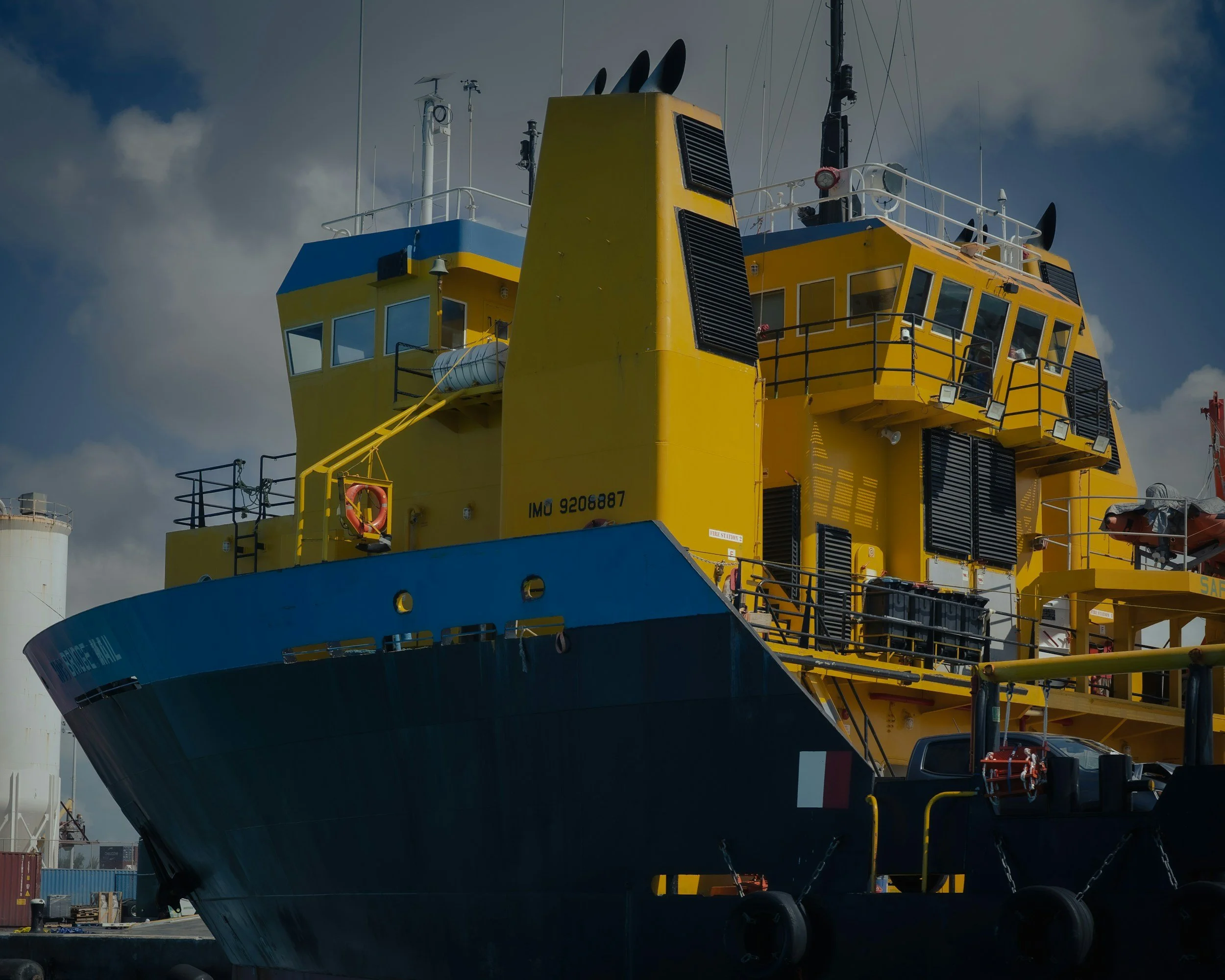
Global Fulfillment Maritime Service team undergoes seamless marine transportation for manufacturers, and traders.
Let’s Work Together

Connect and Follow
⦁
Connect and Follow
Connect and Follow ⦁ Connect and Follow



Our Team

Captain Jeffrey Malcolm
Founder
jmalcolm@globalfulfillmentmaritimeservice.com

Leah Skrine
Chief Financial Officer
lskrine@globalfufillmentmaritimeservice.com